Adults can also use earplugs when swimming. It is particularly important to protect your ears properly from water if you wear a hearing aid. If a hearing aid gets wet, it can cause various problems.
Water can block the microphone or speaker, causing the sound to become distorted or muffled. Moisture can cause a short circuit, causing the device to stop working. Prolonged exposure to moisture can lead to corrosion of internal components, which may cause permanent damage. In addition, the battery may perform less effectively or start to leak as a result of contact with moisture (Sander, 2025).
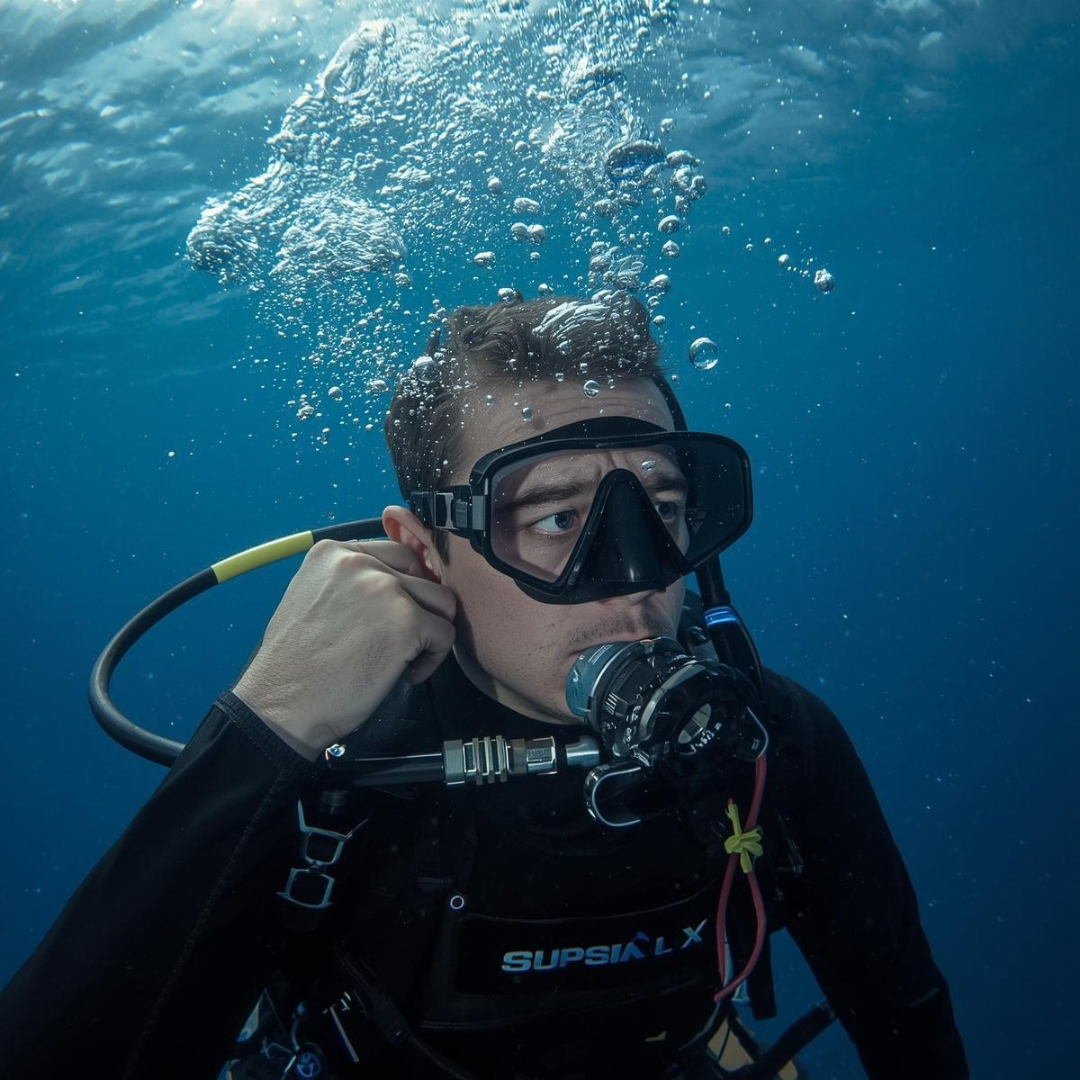
Wearing swimming earplugs is important to protect your ears properly whilst swimming. They prevent water from getting into your ear canal. If water does get into your ear, you could develop swimmer’s ear, an unpleasant and painful infection of the ear canal.
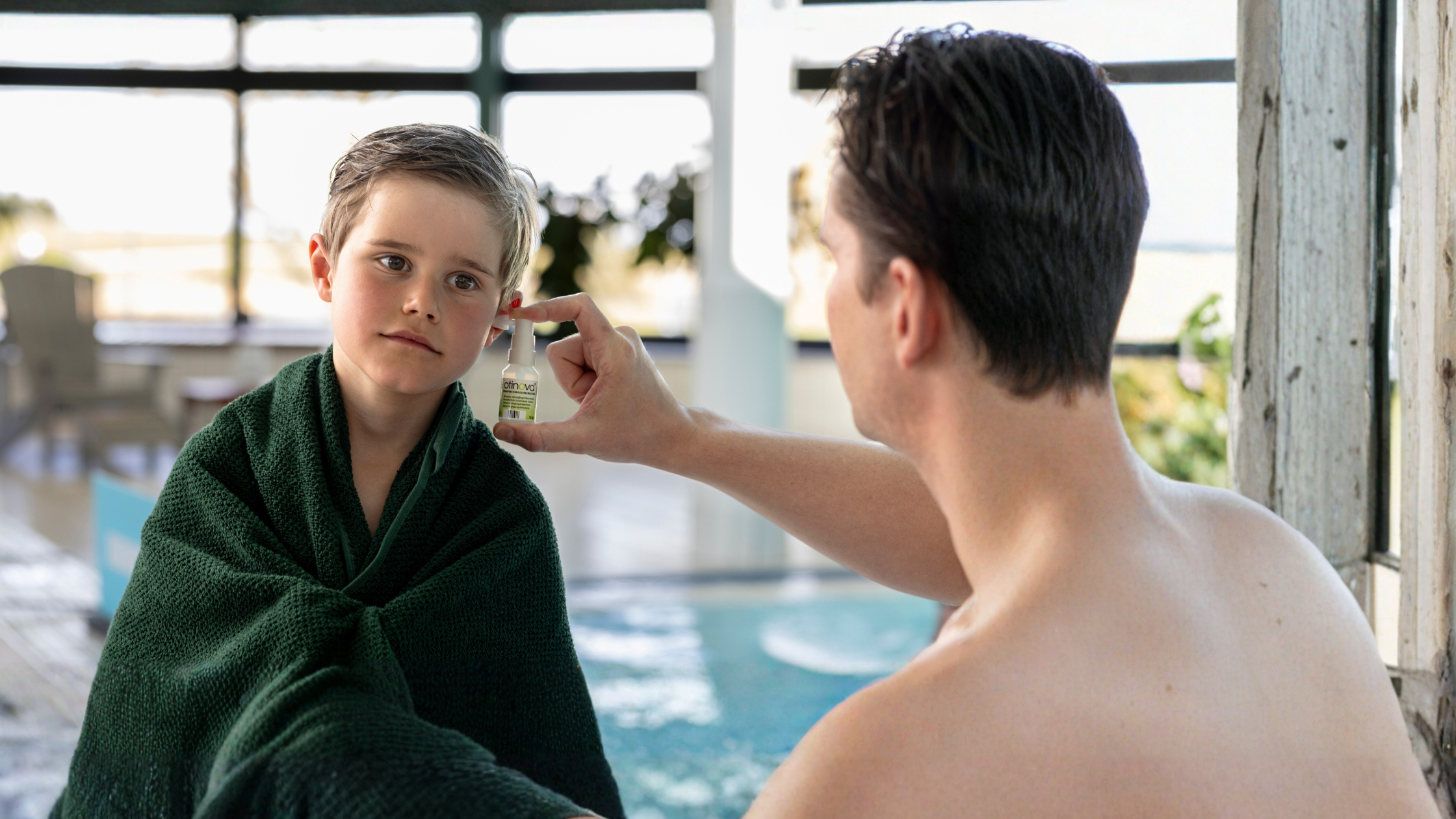
Swimmer’s ear often feels like a stinging pain, sometimes accompanied by itching or a blocked sensation (RIVM, 2018). Fortunately, it can be treated effectively with Otinova. Otinova is a safe, effective ear spray for treating the symptoms of swimmer’s ear. Prevention is better than cure, so swimming earplugs are a sensible choice for a worry-free dip.
Swimming earplugs not only help keep water out, but also form an important barrier against bacteria that may be present in swimming water. Especially in swimming pools, lakes, or the sea, bacteria can enter your ear canal through the water and cause irritation or infections there (RIVM, 2018).
Make sure to clean your hands thoroughly before inserting the earplugs. Use disinfectant gel, for example, to prevent introducing bacteria into your ears via your fingers. Also ensure your ears are dry before inserting the earplugs; this ensures the earplugs seal better and stay in place more securely. Naturally, the earplugs must also be clean before inserting them.
Keeping ears dry is essential while swimming for people with sensitive ear canals, those who wear hearing aids, or those who simply do not want water in their ears. People with sensitive ear canals or those who wear hearing aids may experience irritation and infections for longer periods ((NHG), 2021). By keeping your ears dry using waterproof earplugs, you reduce the risk of ear problems.
This helps prevent hearing damage and nasty infections, so you can swim with peace of mind and enjoy water activities without worries.
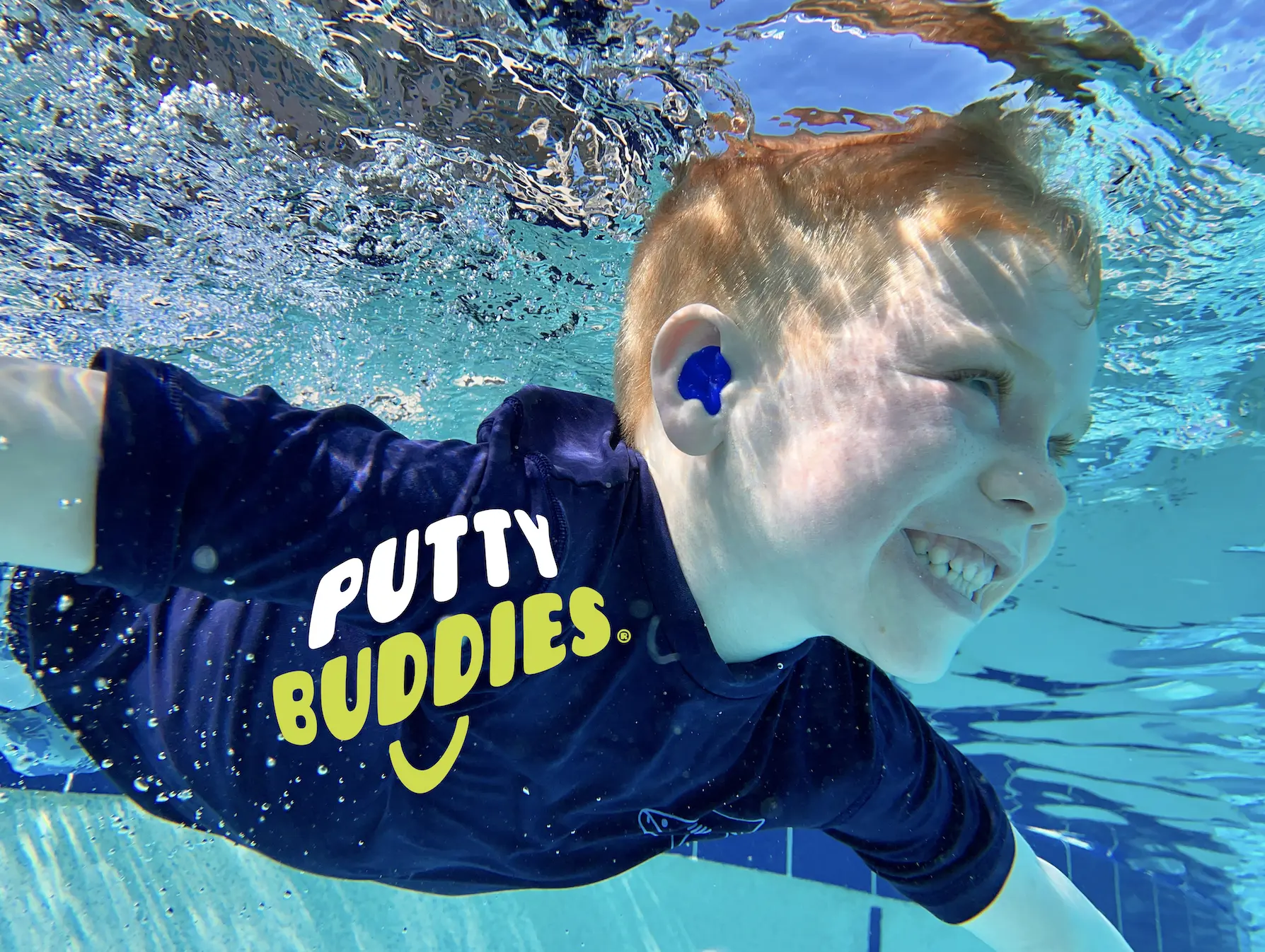
It is important to use waterproof swimming earplugs if you want to protect your ears while swimming. Not all earplugs keep water out equally well, so make sure you choose earplugs that are specifically designed to keep water out. These seal your ear canal well, preventing water or bacteria from entering. Putty Buddies are an example of this.
These earplugs are made of soft silicone that you can easily mold to the unique shape of your ear. As a result, they seal perfectly and effectively keep water out. Putty Buddies are comfortable, reusable, and ideal for both children and adults who want to protect their ears from water. Thanks to the extra sticky texture, they stay securely in the ears, allowing you to enjoy the water worry-free.
Comfortable swimming earplugs are essential, because if they don’t fit properly, wearing them quickly becomes a nuisance. Swimming earplugs with a good fit seal well and feel soft and comfortable. That way, you can be sure your ears are properly protected, because having fun is only fun when you don’t have to worry about a thing.
Swim earplugs don’t have to be boring. Nowadays, they are available in all kinds of colors, so you can choose one that really suits you. Whether you like striking red, soothing blue, fresh green, or cheerful pink, it’s fun to wear a color that makes you feel comfortable and like yourself.
Especially for children, a favorite color can make wearing earplugs a lot more fun. For adults, too, it is nice when something practical can be a little personal. This way, you combine protection with style and step into the water with pleasure.
It is strongly recommended to wear earplugs in combination with a swimmer’s headband. A swimmer’s headband, often made of comfortable neoprene, ensures that earplugs stay securely in place during your water activities. This is especially useful for children, as they often play more wildly in the water and the earplugs could shift or fall out as a result.
The Ear Band-It is a good choice in that case, because this swimming headband keeps the earplugs securely in place while swimming. The Ear Band-It offers an extra layer of protection against water and makes wearing earplugs much more reliable.
The Ear Band-It is a comfortable and sturdy swimmer’s headband, designed by an ENT doctor to securely hold swimming earplugs, such as Putty Buddies, in place during water activities. Whether you are above or below water, the Ear Band-It offers reliable protection against water entering the ears. The Ear-Band-It is available in sizes S, M, and L, ensuring a fit for every age, in many colors and prints.
This way, your ears stay dry and well protected, and you can enter the water with peace of mind.
By making a conscious choice to use good-quality swimming earplugs and the right combination of protection, swimming remains enjoyable and safe for both children and adults. By paying attention to hygiene, fit and watertightness, you reduce the risk of irritation and keep your ears in good condition during any water activity. This allows you to continue enjoying swimming without interruption and prevents problems that would otherwise arise unnecessarily.